
As an indoor garden grows from a couple of cheerful pothos on a windowsill to a sprawling collection of rare monsteras, delicate ferns, and specialized bonsai, maintaining order becomes a challenge.
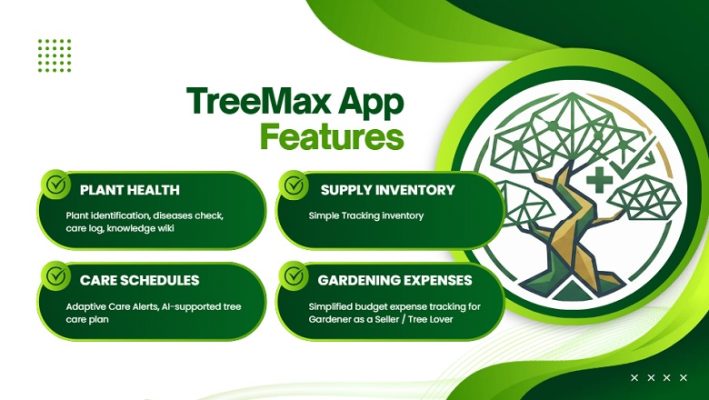
Overwatering, missed fertilizing routines, lost soil mix recipes, and repotting supply shortages are common issues for houseplant enthusiasts. Managing a growing collection requires an effective system to track plant health, care schedules, supply inventory, and gardening expenses.
5 Essential Things Every Indoor Gardener Should Track
Whether you manage 10 houseplants or 100+, tracking these key areas ensures your indoor jungle thrives:
Plant Inventory & Health Profiles
Every plant in your home has unique environmental requirements. Keeping a profile for each plant helps you quickly reference:
- Species & Variegation Type: Keeps track of specific light and humidity tolerance.
- Acquisition Date & Source: Useful for monitoring long-term growth or tracing pests back to a nursery.
- Current Location & Microclimate: Notes which window sill, grow light setup, or room humidity level suits them best.

Care History & Seasonal Schedules
Sticking to a strict calendar date for watering often leads to overwatering. However, keeping track of when you last watered, fertilized, pruned, or repotted helps you spot patterns:
- Fertilizing Cycles: Prevents fertilizer burn from double-dosing.
- Repotting Dates: Prevents plants from staying root-bound for years without refreshed soil.
- Visual Growth Timelines: Photo logs make it easy to celebrate leaf unfurlings or catch gradual decline early.
Pest & Health Diagnostics
When thrips, spider mites, or fungal infections strike, quick documentation prevents a collection-wide outbreak:
- Symptom Logs: Track yellowing, brown tips, or unusual leaf spots.
- Treatment Tracking: Note which treatments were applied (e.g., neem oil, systemic granules, insecticidal soap) and when the next application is due.
Gardening Supplies & Substrate Inventory
There is nothing more frustrating than unpotting a root-bound plant only to realize you are completely out of perlite, orchid bark, or nursery pots. Tracking your supplies ensures you always have:
- Substrate components: Potting soil, coco coir, pumice, moss, and bark.
- Hardware & Pots: Cachepots, inner nursery pots, moss poles, and trellis clips.
- Treatments & Nutrients: Fertilizers, pest control, and rooting hormones.
Garden Expenses & Budgeting
Rare plant collection and custom soil mixes can accumulate cost quickly. Tracking your plant spending gives you full visibility into:
- Total investment per plant or category.
- Ongoing consumable costs (fertilizer, soil components, pest treatments).
- Seasonal budget trends.
Traditional Methods vs. All-in-One Digital Tracking
| Method | Pros | Cons |
| Paper Journal / Binder | Tactile, creative, no screen time required. | Hard to search, no automated reminders, physical wear over time. |
| Spreadsheets (Excel / Notion) | Highly customizable, decent data organization. | Manual entry required, tedious on mobile while hands are dirty, no automated pest diagnosis. |
| Dedicated Smart Apps | Instant photo logs, automated care alerts, supply inventory, financial tracking. | Requires choosing an application tailored to both care and inventory. |
Streamline Your Garden Management with TreeMax
If manual spreadsheets and paper logs feel overwhelming, dedicated garden management applications like TreeMax offer a unified system designed for modern plant collectors.
How TreeMax Simplifies Plant & Supply Tracking
- Automated Supply Inventory: Keep tabs on your soil mixes, pots, and fertilizers. TreeMax calculates supply usage so you never run out mid-repotting.
- Built-in Expense Tracker: Monitor where your money goes with visual expense breakdowns for plants, pots, fertilizers, and equipment.
- AI Plant Doctor & Health History: Snap a quick photo of sick leaves or pests to receive instant diagnostic feedback and log step-by-step treatment plans directly to the plant’s health journal.
- Visual Growth Timelines: Log photos over time to build a complete growth and medical history for every plant in your home.
- Smart Care Reminders & Hands-Free Commands: Get location-based watering and fertilizing alerts—and speak directly to the app when your hands are covered in dirt.
By centralizing plant care schedules, health histories, supply inventory, and financial records into one workflow, you can spend less time guessing and more time enjoying a healthy indoor garden.
>> Also Read:
- Can AI Diagnose Sick Plants? How AI Plant Identification Works
- Tree Care for Busy Professionals: How to use automation to keep your plants alive while you’re at work
Treemax.app
